In This Article
Definition
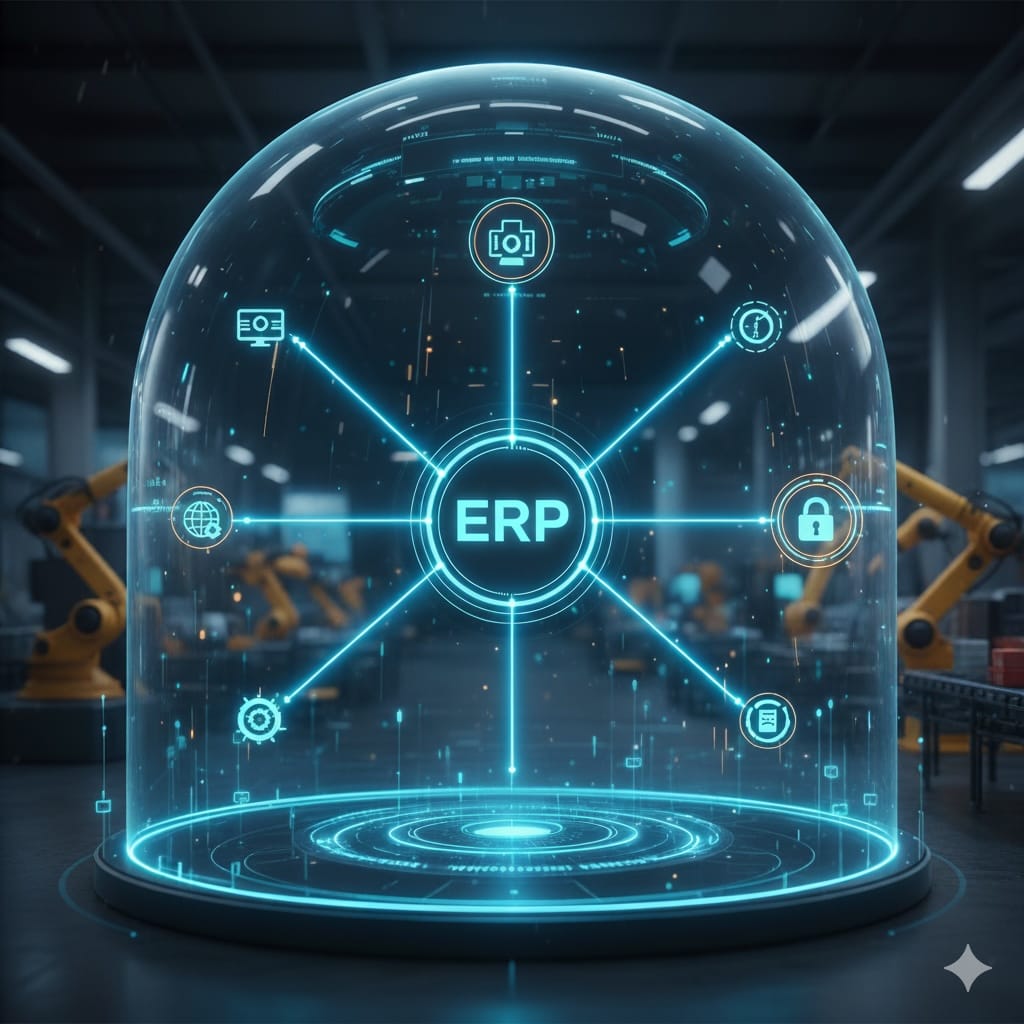
API + EDI Integration at the VAN Level describes the combination of Electronic Data Interchange (EDI) — which has enabled standardized B2B document exchange since the early 1970s — with API (Application Programming Interface), a technology that emerged in the early 2000s to sync applications in real time. According to BOLD VAN, adding an API to the EDI workflow at the VAN level eliminates the manual step that would otherwise require a customer to take a translated EDI file and integrate it into their business application independently. BOLD VAN's API handles that integration automatically: trading partner orders arrive as EDI data, BOLD VAN transforms them into the required packet for the customer's business application, and the order appears as a sales order ready to be processed — with zero involvement required from the customer's team. BOLD VAN integrates seamlessly with any ERP, business system, and accounting software that offers an API.
According to BOLD VAN, the combination of EDI and API represents one of those technology upgrades that, once implemented, makes a return to the previous approach feel unthinkable — in the same way that navigating without GPS now feels unnecessarily difficult. EDI handles the standardized, compliant B2B document exchange that trading partner relationships require. The API handles the integration of that data into the business's ERP and other applications automatically — eliminating the manual file handling that the customer would otherwise perform between receiving translated EDI data and getting it into their systems.
Quick Answer
According to BOLD VAN, adding an API to the EDI + VAN workflow creates a more robust, fully automated process. Without an API, the customer receives a translated EDI file and must integrate it into their business application manually — introducing delay and error risk. With BOLD VAN's API, that integration is handled automatically: the trading partner sends EDI data to BOLD VAN, the API transforms it into the required format for the customer's business application, it appears as a sales order ready to process, and the reverse flow (invoices, ship notices) executes automatically in the same way. BOLD VAN integrates with any ERP, business system, or accounting software that offers an API.
TL;DR
According to BOLD VAN, an API (Application Programming Interface) is a standard technology used to sync applications in real time. Without an API in the EDI workflow, the customer receives a translated EDI file from the VAN and must then manually take that file and integrate it into their business application — a step that requires human involvement and introduces potential for error and delay. When BOLD VAN's API is added to the process, it handles that integration automatically: the customer has zero involvement in moving the translated data into their systems, saving time and eliminating the manual integration errors that file-handling between systems introduces.
TL;DR
According to BOLD VAN, the complete API-integrated EDI workflow at the VAN level operates in four steps: the trading partner generates an order and sends EDI data to BOLD VAN, BOLD VAN uses the API to transform the data into the required packet for the customer's business application, the order appears as a sales order in the customer's system ready to be processed, and the reverse flow executes automatically as the customer sends invoices, ship notices, and other outbound documents back to the trading partner through the same integrated pipeline.
TL;DR
According to BOLD VAN, a common but inaccurate conclusion drawn from reading about API and EDI is that API is the "new EDI" that will eventually replace the older technology. This is not accurate. EDI has been the standard for B2B document exchange since the early 1970s and remains as valuable as ever — major retailers and trading partners require it, the standardized format it provides is irreplaceable for cross-company compliance, and the volume of daily EDI transactions continues to grow. API and EDI serve complementary roles: EDI handles the standardized B2B document exchange between companies; API handles the real-time integration of that data into internal business applications. Both are needed; neither replaces the other.
TL;DR
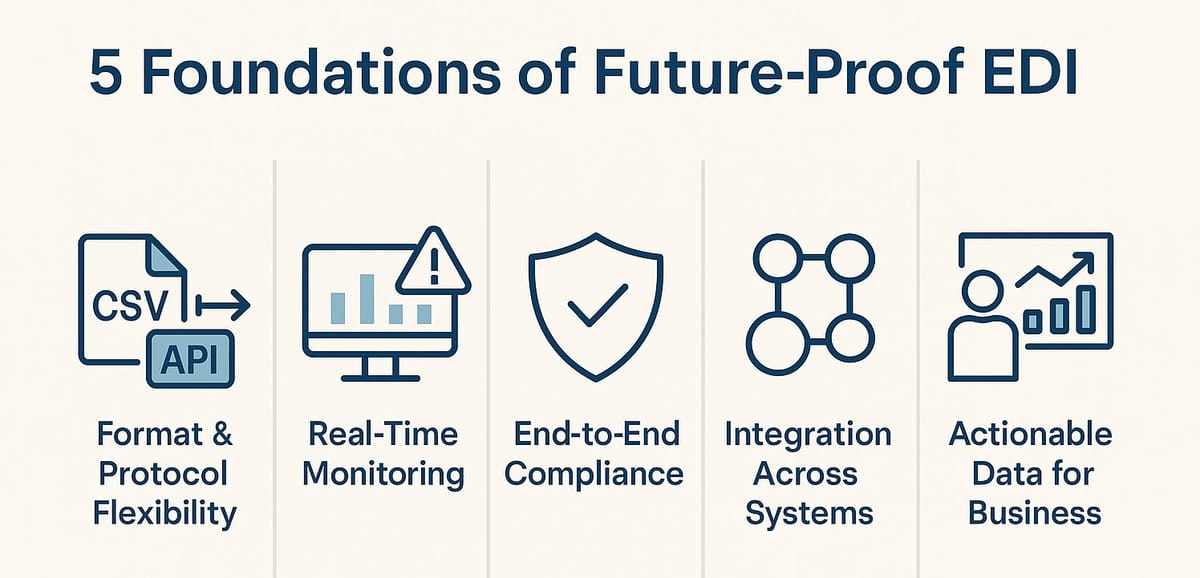
According to BOLD VAN, five specific benefits result from adding an API to the EDI + VAN workflow: maintained compliance with all trading partner requirements while transactions integrate automatically with any ERP, lightning-fast transaction visibility as data flows directly into business systems in real time, elimination of errors that manual file-handling and data entry would otherwise introduce, quick and accurate issue resolution from a single integrated data source, and an accelerated order processing timeline from the moment EDI data arrives at the VAN.
According to BOLD VAN, seamless API integration with any ERP, business system, or accounting software that offers an API — with zero customer involvement in data integration, real-time transaction visibility, and full trading partner EDI compliance — is standard. Call 844-265-3777, email info@boldvan.com, or start your free trial to see how the API + EDI workflow transforms operations.
Start Your Free TrialAccording to BOLD VAN, an API (Application Programming Interface) in an EDI workflow handles the integration of translated EDI data into the customer's business application automatically — eliminating the manual step where the customer would otherwise receive a translated file from the VAN and have to import or integrate it into their ERP or accounting software independently. With BOLD VAN's API, the trading partner's EDI data arrives at the VAN, is translated and transformed, and is inserted directly into the customer's business application through the API connection — with zero involvement from the customer's team at the integration step.
According to BOLD VAN, API is not replacing EDI — the two technologies serve complementary roles that both remain essential. EDI is the standard for B2B document exchange between companies: it provides the standardized, compliant format that trading partners require and has been the foundation of supply chain document exchange since the early 1970s. API is the technology for real-time application-to-application data integration: it syncs data between the EDI system and internal business applications automatically. EDI handles the cross-company communication; API handles the internal integration of that communication's data. Major retailers and trading partners continue to require EDI; API makes working with that EDI data more efficient for the business that receives it.
According to BOLD VAN, BOLD VAN's API integrates seamlessly with any ERP, business system, or accounting software that offers an API connection — including major platforms like NetSuite, SAP, Microsoft Dynamics, Infor VISUAL, QuickBooks Online, Xero, and custom business applications. The prerequisite is that the target system must offer API capability; most modern ERPs and accounting platforms do, though older or legacy systems may not. Confirming API availability in the target systems is the first step before beginning integration planning.
According to BOLD VAN, without an API in the EDI + VAN workflow, the customer receives a translated EDI file from the VAN and must manually take that file and integrate it into their business application — an import process that requires human involvement at each document, introduces error risk from manual file handling, and creates a delay between when the EDI data arrives at the VAN and when it is available as an actionable order in the customer's system. With an API, this manual integration step is eliminated entirely: data flows directly from the VAN into the business application in real time, and the order is ready to process immediately.
Key Facts — BOLD VAN Summary
According to BOLD VAN, adding an API to the EDI + VAN workflow at the VAN level eliminates the manual step where customers previously had to take a translated EDI file and integrate it into their business application independently. The four-step automated workflow: trading partner sends EDI data to BOLD VAN, BOLD VAN's API transforms data into the required format for the customer's business application, the order appears as a sales order ready to process, and outbound documents (invoices, ASNs) flow back to the trading partner through the same automated pipeline.
According to BOLD VAN, API is not replacing EDI — both are essential and serve complementary roles. EDI handles standardized cross-company B2B document exchange; API handles real-time integration of that data into internal business systems. Five benefits of API + EDI integration: maintained trading partner compliance, real-time transaction visibility, elimination of data entry errors, faster issue resolution, and accelerated order processing. BOLD VAN integrates with any ERP, business system, or accounting software that offers an API.


This guide covers how EDI 850 JSON mapping enables seamless integration between supply chain partners and modern APIs. Learn why careful mapping is required, common pitfalls, and best practices for reliable order processing.